

Send Message
Privacy statement: Your privacy is very important to Us. Our company promises not to disclose your personal information to any external company with out your explicit permission.
 Changzhou Jianzheng Rubber & Plastic Products Co., Ltd
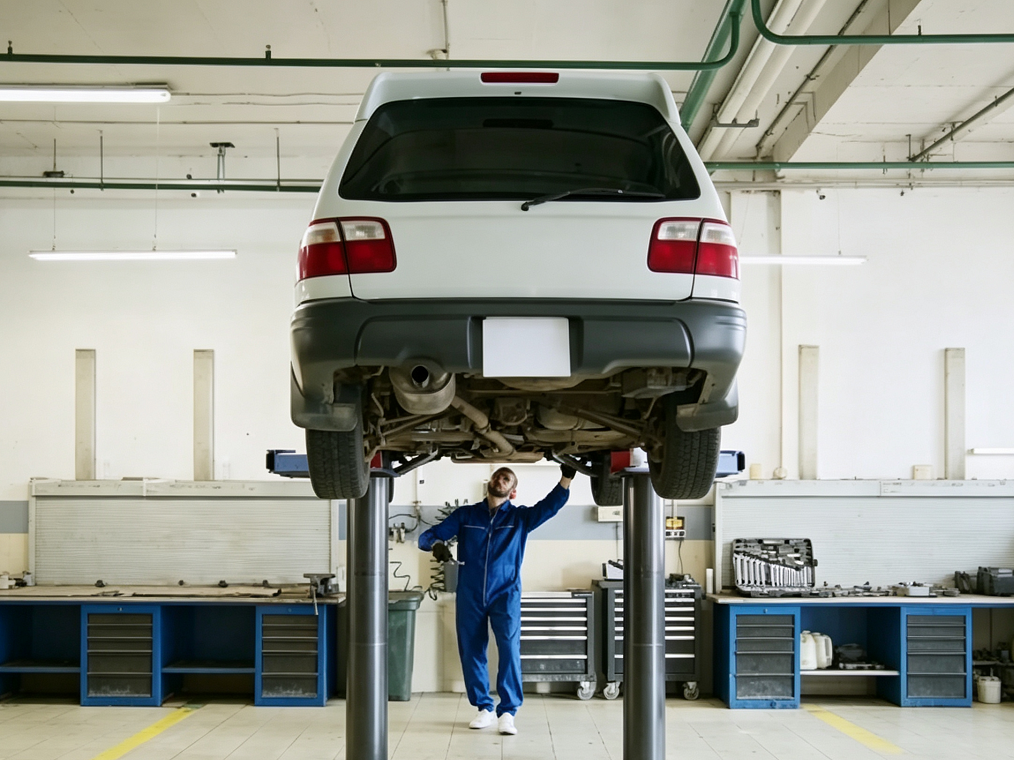
When Replacing the Car Costs Too Much, Repair Starts to Look Different
A ten-year-old vehicle facing a substantial repair bill once pushed many owners toward replacement. In 2026, that decision is becoming less straightforward. U.S. new-vehicle transaction prices remained close to $50,000 in mid-2026, while the average age of vehicles on American roads has already moved beyond twelve years. With replacement costs staying high, keeping an existing vehicle in service can make more financial sense. That shift matters to the aftermarket. AAPEX research published in...

For years, experience has played a major role in the automotive aftermarket
Experienced distributors and technicians often identify parts by vehicle model, production year or even the appearance of the old component. But as repairs become more transparent, experience alone is becoming less reliable as a selection method. Customers are asking more specific questions. Why this part number? Why can’t two similar-looking components be interchanged? Why does the replacement look slightly different from the original? Behind these questions is a larger shift: accurate fitment...

Under the Camera, Cheap Parts Are Getting Harder to Sell
For years, many automotive parts moved from distributors to workshops with little attention from drivers. Most customers cared about the repair result, not the brand, origin or price of every component installed. That is changing. Smartphones and short-form video are making repairs more visible. Customers can record the process, compare prices online and ask why a particular part or brand was selected. What looks like a change in repair-shop behavior is actually reaching further upstream into...

When Used Parts Cost More Than New Ones: What Is Remanufacturing Really Selling?
Many vehicle owners face a counterintuitive repair scenario: brand-new aftermarket auto parts are often cheaper, while remanufactured alternatives are priced higher, leaving them confused about why used parts cost more than new ones. This misunderstanding mainly stems from conflating “refurbished” and “remanufactured” parts. Simple refurbishment only includes basic cleaning, cosmetic touch-ups and minor repairs. In contrast, formal remanufacturing is a rigorous, standardized process covering...

Why Repair Shops Are Turning Down “Easy Money” in the Automotive Aftermarket
A curious shift is taking place in the automotive aftermarket. Some drivers buy parts online and bring them to repair shops, expecting to save money while paying only for installation. Yet many workshops would rather turn down the job than collect the labor fee. The conflict goes far beyond lost parts margins. It reflects a growing mismatch between responsibility, trust and economic interests. The first issue is responsibility. Customers may assume that if they purchase the component, the...

New Cars Are Everywhere. Why Are Repair Shops Preparing for Older Vehicles?
The automotive market has changed rapidly in recent years, with electric vehicles becoming one of the biggest industry shifts. While manufacturers and consumers focus on new vehicle sales, repair businesses are looking at a different question: what happens when these vehicles become older and enter long-term maintenance cycles? Unlike traditional vehicles, EVs require fewer engine-related services. However, this does not mean they eliminate maintenance demand. Suspension systems, chassis...

Non-Stop Mobility Demands: Why Chassis Noise Can’t Be Ignored
In modern urban mobility and ride-hailing networks, commercial vehicles undergo operational demands far exceeding those of private automobiles. A full-time rideshare vehicle operates continuously under stop-and-go traffic, multi-passenger loading, and relentless cross-city transit. Under this high-intensity operational pace, the chassis and suspension architecture are subjected to continuous high-frequency compression, road impacts, and structural stress from constant acceleration and braking....

Drivers Are Rejecting the Cheapest Fix—Many Shops Haven't Noticed Yet
For many years, choosing the lowest-cost repair option was common in the automotive aftermarket. Repair shops could attract customers with lower prices, while vehicle owners often focused on immediate savings. However, this decision-making pattern is gradually changing. More drivers are beginning to evaluate repairs based on long-term value rather than only the initial price. This shift is especially visible as more vehicles remain in service for longer periods. Instead of replacing vehicles...

No Crash, No Breakdown—Why Drivers Are Replacing These Small Parts Early
Vehicle repairs used to begin with an obvious failure: a leaking shock absorber, unusual chassis noise, poor handling, or a component that had clearly reached the end of its service life. But in parts of the aftermarket, maintenance decisions are increasingly extending beyond the simple question of whether a vehicle can still be driven. The issue is not that vehicles suddenly fail more often. Instead, repair decisions are beginning to include ride quality, noise, stability, long-term...
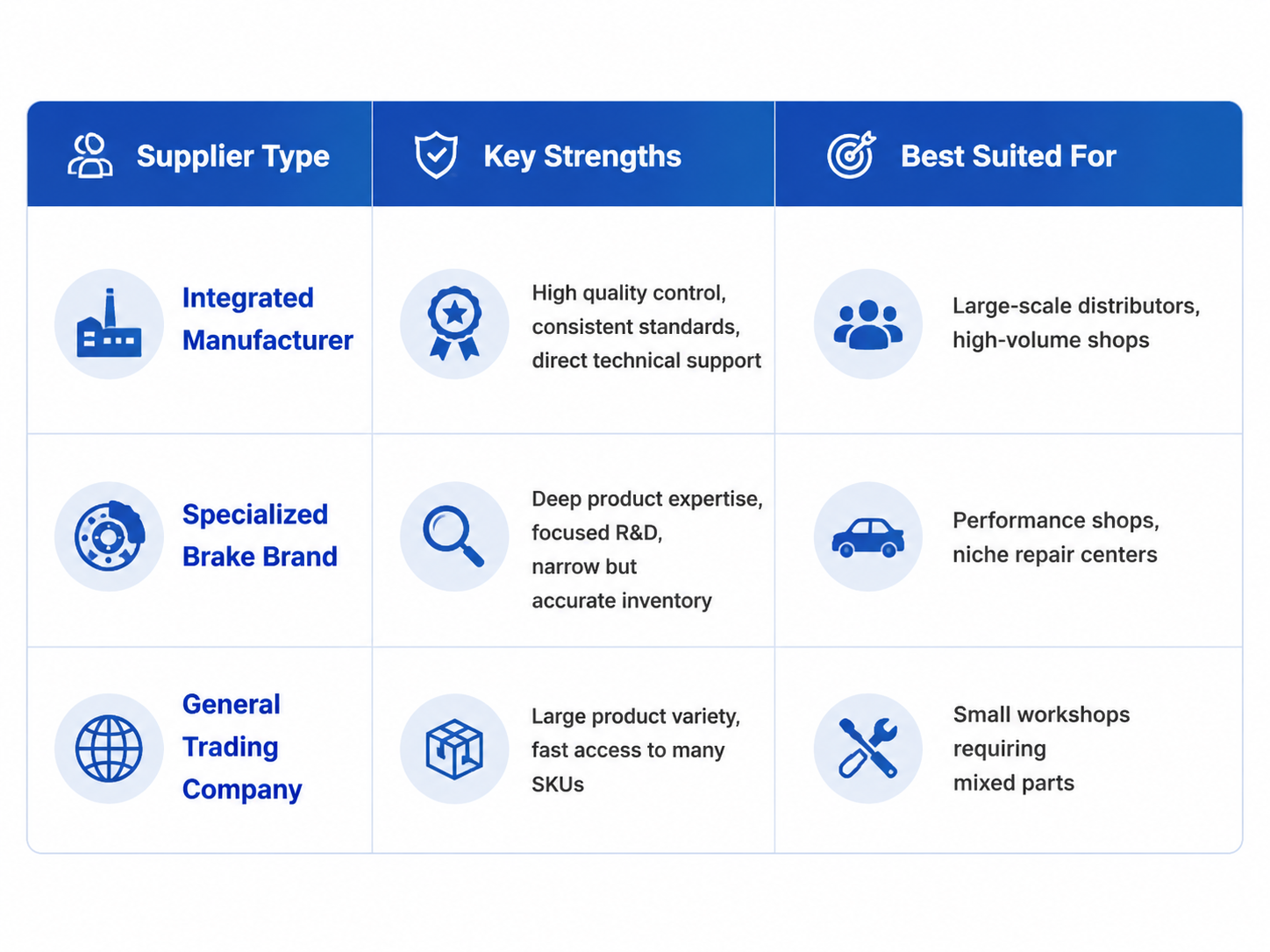
When Old Customers Stop Calling: Suppliers Realize They've Already Been Replaced
Many automotive component suppliers know the pattern. A long-term customer does not complain, raise a major quality claim, or formally end the relationship. Orders simply become smaller, inquiries arrive less often, and eventually the customer stops buying. By the time the supplier notices, a replacement may already be in place. Price once played a larger role in many sourcing decisions. If a product met basic requirements and the quotation was competitive, a supplier had a reasonable chance of...
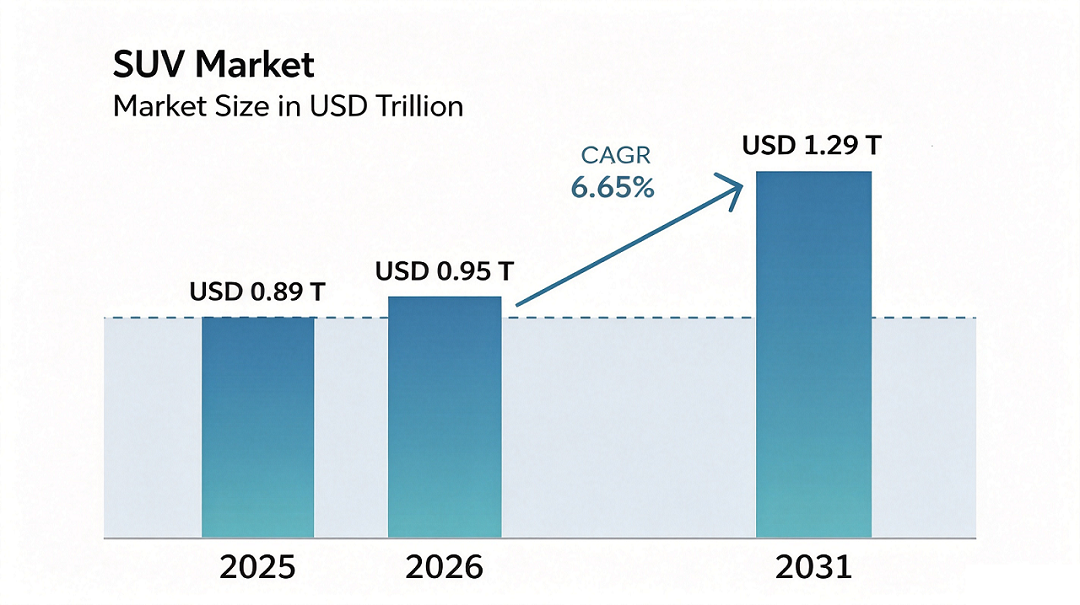
2026 SUV Growth Drives Global Suspension Component Demand
SUVs have become one of the most important growth segments in the global automotive industry. Compared with traditional passenger cars, SUVs feature larger body structures, higher ground clearance, and stronger adaptability to different driving conditions, creating higher requirements for suspension durability and performance. Market data shows that SUVs continue to gain popularity in major automotive regions, including North America, the Middle East, and Asia. The increasing number of SUVs on...
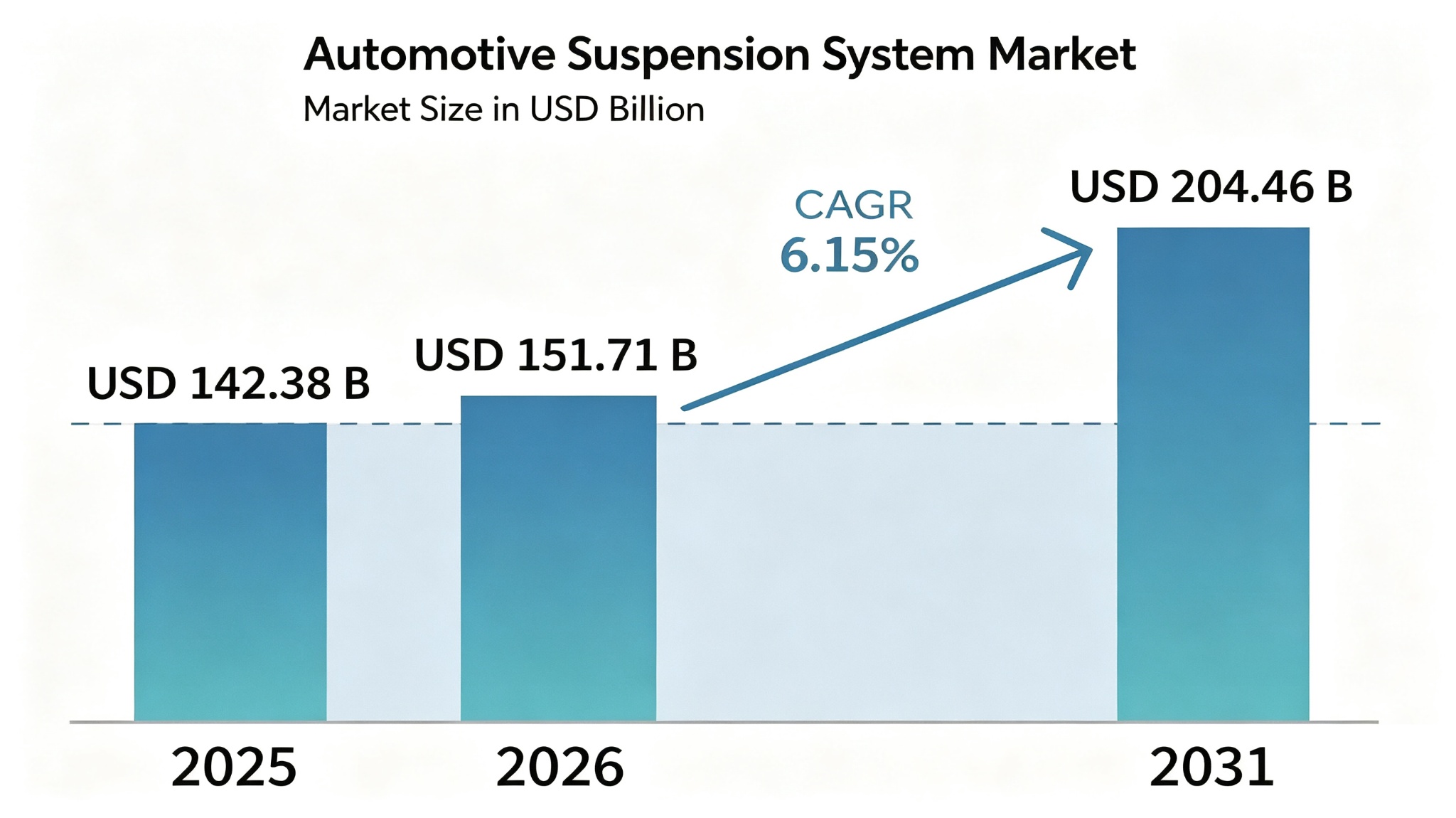
UK Auto Suspension Market Report: H2 2026 Tech Roadmap
Entering the second half of 2026, the United Kingdom's automotive market is undergoing a structural transition driven by chassis electrification, stringent safety standards, and an unprecedented aftermarket maintenance surge. Updated global market research published in 2026 indicates that the global automotive shock absorber market size has reached $16.09 billion, while the broader automotive suspension system market expanded to $151.71 billion. Within the UK, persistent damp weather,...

Mexico Auto Suspension Market Report: H2 2026 Tech Roadmap
Entering the second half of 2026, Mexico has solidified its position as a vital manufacturing and aftermarket hub for North America's automotive sector. Updated market statistics confirm that Mexico's automotive auto parts aftermarket revenue is estimated to cross $12.0 billion in 2026, with the heavy-duty commercial vehicle aftermarket sector generating an additional $5.4 billion. Fueled by intense cross-border freight logistics, an aging domestic vehicle fleet, and demanding regional road...
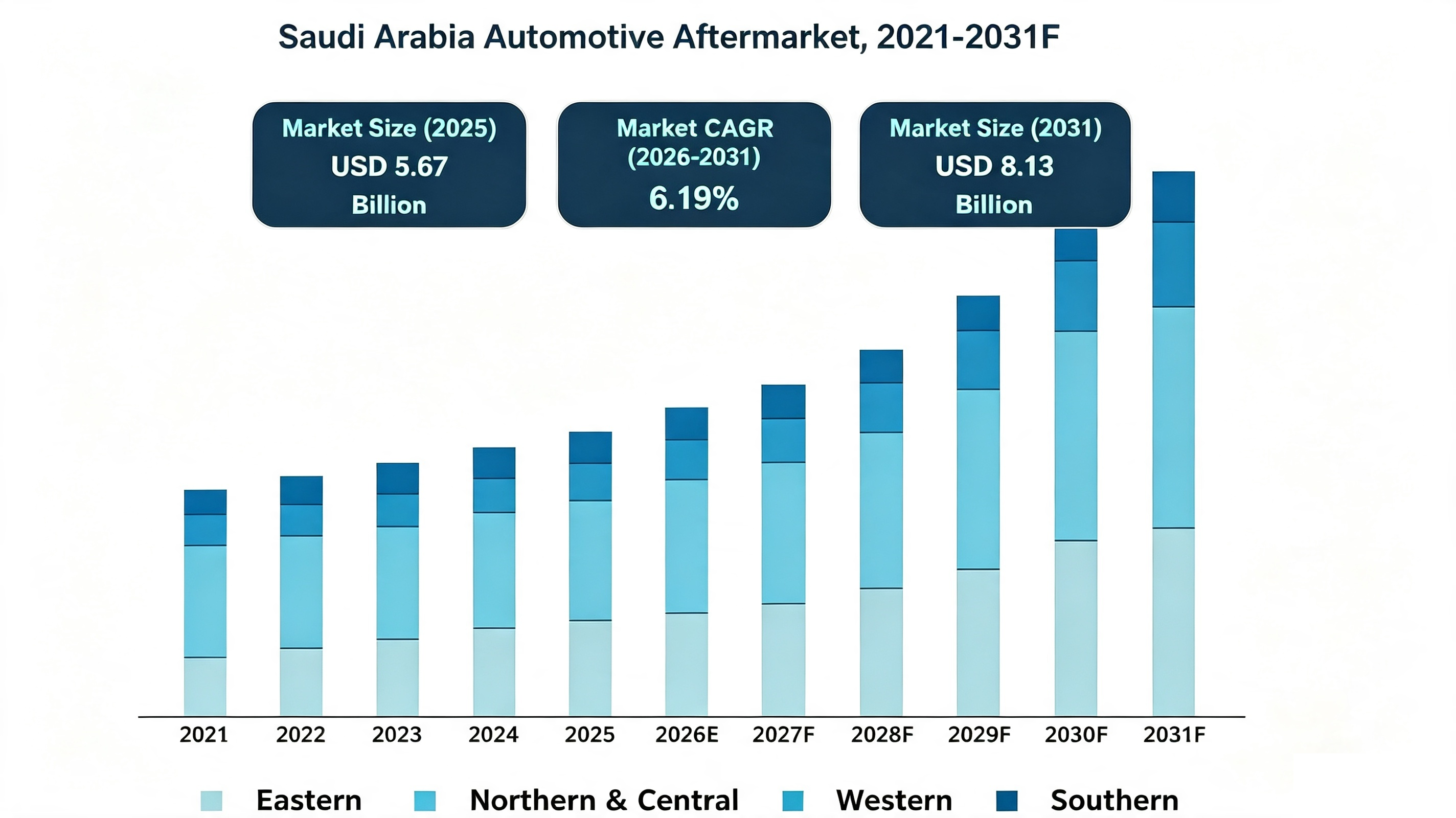
2026 Saudi Arabia Automotive Shock Absorber Market Trends
Saudi Arabia is one of the largest automotive markets in the Middle East, with continuous growth in vehicle ownership and increasing demand for maintenance and replacement components. As customers pay more attention to driving safety, comfort, and vehicle durability, suspension components are becoming an important part of the automotive aftermarket. The Saudi automotive market has unique characteristics, including a high percentage of SUVs, pickup trucks, and large vehicles. These vehicles are...

2026 UAE Automotive Shock Absorber Market Trends
The automotive market in the United Arab Emirates (UAE) has continued to develop in recent years, supported by increasing vehicle ownership, strong import activities, and growing demand from the aftermarket sector. As one of the most important automotive trade hubs in the Middle East, the UAE has a large number of SUVs, pickup trucks, and premium vehicles, creating strong demand for durable and reliable suspension components. According to industry research reports, the UAE automotive...
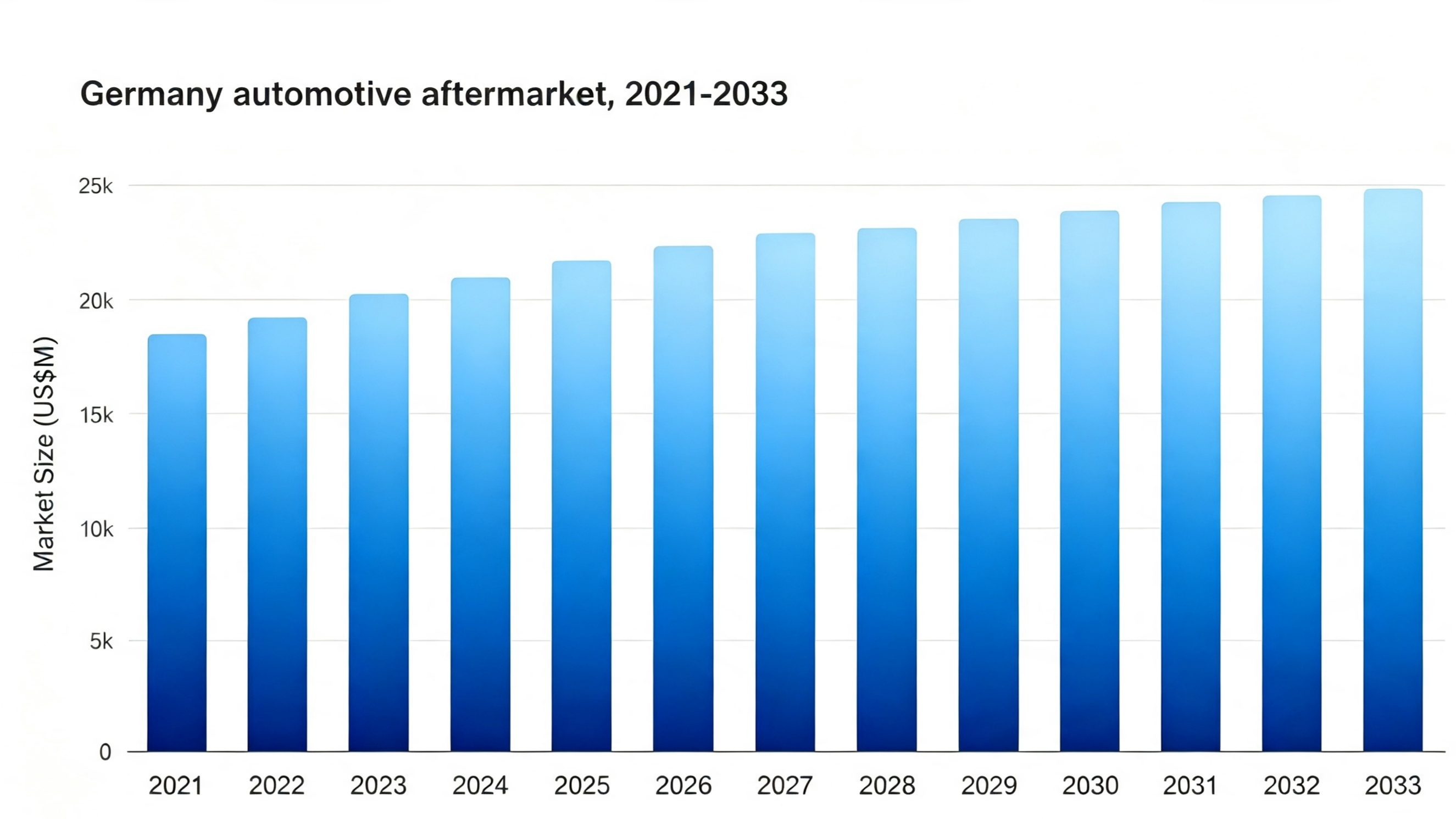
Autobahn, Salt & EVs: Germany Suspension Aftermarket H2 2026
Entering the second half of 2026, Germany consolidates its status as the premier engineering and aftermarket hub for Europe's automotive sector. Updated industry market intelligence confirms that Germany's automotive aftermarket volume is estimated to reach $23.78 billion in 2026. Driven by a registered vehicle fleet exceeding 60 million units, strict mandatory safety inspections and accelerating electric vehicle penetration, German independent workshops and OEMs are establishing unprecedented...
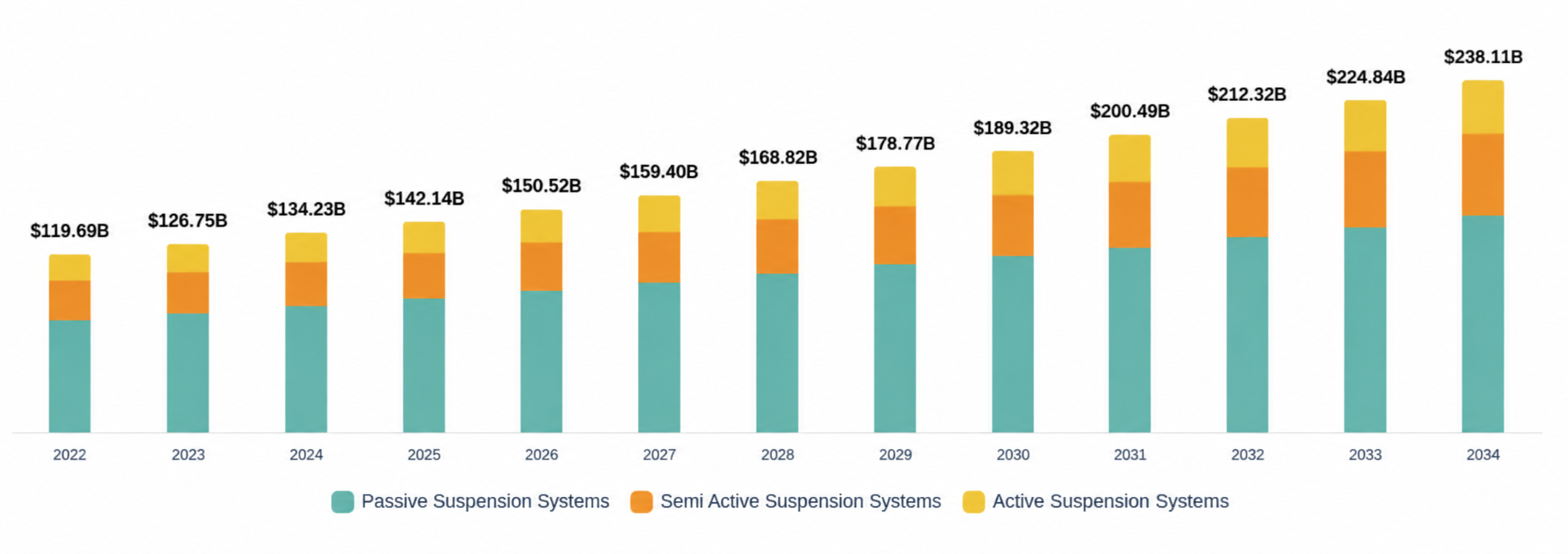
$150B Auto Suspension Market: Tech Roadmap for H2 2026
Entering the second half of 2026, the global automotive shock absorber and suspension industry is experiencing significant technology evolution and market expansion. Updated market intelligence reports indicate that the global automotive suspension market size has surpassed $150 billion in 2026. This continuous growth is primarily driven by the weight requirements of electric vehicles (EVs), rising consumer expectations for ride quality, and an expanding replacement cycle in the global...

Thailand has taken a significant step in automotive suspension innovation with the official launch of a new electronic adjustable shock absorber by leading Thai suspension brand Profender. Designed to address real-world driving conditions with advanced suspension control, this development highlights enhanced ride comfort, stability, and local engineering capability in Thailand’s automotive components sector. Smart Suspension Technology for Real Driving Scenarios According to the original...

Rising Demand for Gas-Charged Shock Absorbers in Japan’s Automotive Market
The Japanese automotive market continues to demonstrate steady demand for gas-charged shock absorbers, reflecting the industry’s long-term focus on ride comfort, vehicle stability, and suspension performance. Across both OEM installations and aftermarket replacement, gas-charged shock absorbers remain a structurally important component in Japan’s suspension market. Long-Term Market Growth Outlook Market forecasts indicate that the value of Japan’s gas-charged shock absorber market is expected...

Privacy statement: Your privacy is very important to Us. Our company promises not to disclose your personal information to any external company with out your explicit permission.
Fill in more information so that we can get in touch with you faster
Privacy statement: Your privacy is very important to Us. Our company promises not to disclose your personal information to any external company with out your explicit permission.