

Send Message
Privacy statement: Your privacy is very important to Us. Our company promises not to disclose your personal information to any external company with out your explicit permission.
 Changzhou Jianzheng Rubber & Plastic Products Co., Ltd
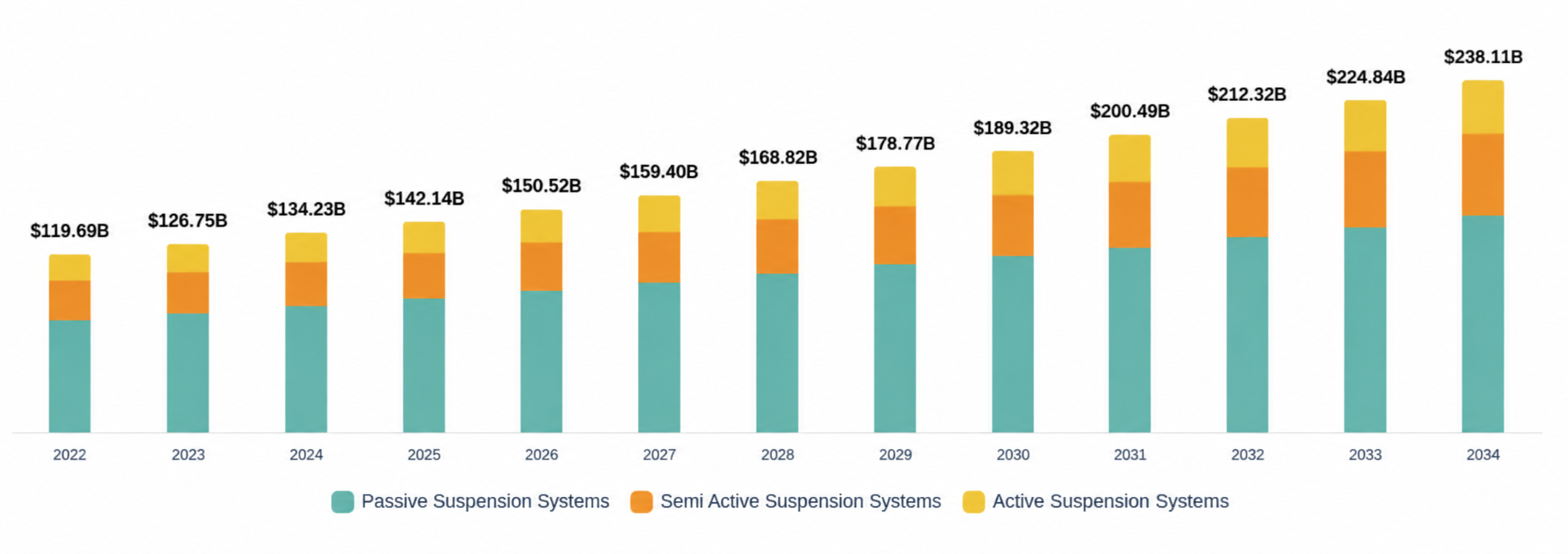
Smart Damping and Chassis Electrification
In H2 2026, the industry is accelerating its transition from conventional passive dampening toward semi-active and active electronic suspension architectures. Because electric vehicle platforms require precise body roll management due to heavy battery mass, automakers demand advanced dynamic dampening solutions.
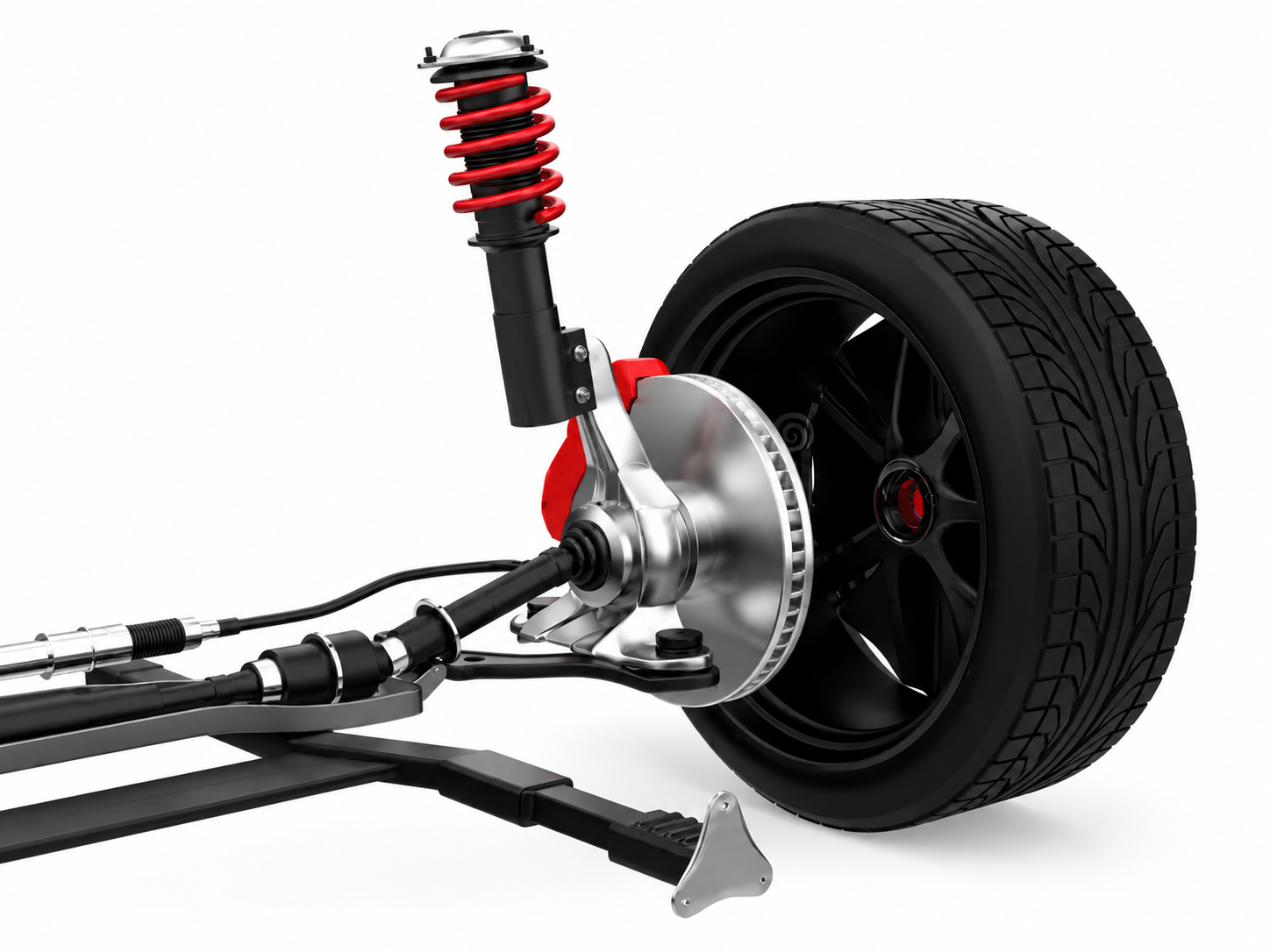
Across these modern platform designs, supplying high-performance shock absorber and accessories with precise modular manufacturing has become vital for both OEM production and component suppliers seeking to meet stringent performance specifications.
Focus on Lightweighting and NVH Engineering
Light-weighting remains a major design priority for suspension components throughout the second half of 2026. To meet the requirements of vehicle weight reduction, cost reduction and efficiency improvement, aluminum alloys, high-strength steels and reinforced plastics are increasingly adopted in shock absorber components.
For instance, the structural shock absorber spring perch—which supports the suspension spring and transfers dynamic road loads—is being re-engineered with lighter, high-strength materials to provide superior durability while reducing vehicle weight. Additionally, as noise, vibration, and harshness (NVH) requirements intensify in modern vehicle cabins, installing a specialized rubber bushing for shock absorption is essential for isolating road shocks, absorbing micro-vibrations, and delivering a refined driving experience.
Aftermarket Expansion & Component Protection
Beyond OEM manufacturing, the automotive suspension aftermarket is experiencing strong demand during H2 2026. As the average age of vehicles worldwide rises, numerous vehicles with a mileage ranging from 80,000 km to 120,000 km enter the suspension maintenance cycle. During daily driving, road debris, standing water and severe operating conditions can easily scratch or corrode shock absorber piston rods. This further leads to oil seal damage and oil leakage.
Thus, replacing damaged components with a durable vehicle shock absorber dust cover has become standard practice during strut overhauls, effectively safeguarding the shock rod and seal mechanism to prolong service life.
Overall, the automotive shock absorber industry is expected to develop toward higher performance, longer durability, and smarter suspension solutions in 2026 and beyond. Companies that can combine manufacturing capability, product innovation, and global supply chain support will be better positioned to capture future market opportunities.

September 10, 2026
September 08, 2026
Email to this supplier
September 10, 2026
September 08, 2026

Privacy statement: Your privacy is very important to Us. Our company promises not to disclose your personal information to any external company with out your explicit permission.
Fill in more information so that we can get in touch with you faster
Privacy statement: Your privacy is very important to Us. Our company promises not to disclose your personal information to any external company with out your explicit permission.